Sefton Park Infant and Junior Schools
Modern Foreign Languages
Modern Foreign Languages (MFL) Intent statement
Language learning is more than just learning to speak and write in a different language. Primary pupils are very receptive to learning a new language. They are willing and able to mimic pronunciation without the inhibitions and self-consciousness of older students. They are like sponges and can pick up on and duplicate tricky sounds that adults, and even adolescents, often stumble over. International studies have shown that learning a foreign language actually increases the density of ‘grey matter’ in the brain and the number of synapses that interconnect parts of the brain. Through studying a foreign language, grammatical concepts and rules in English become clearer. Moreover, learning about festivals and traditions from countries where the language is spoken helps children appreciate other cultures so that they can take a place in our global society – either on holidays, in future careers or right here in Bristol with members of their own community. Here at Sefton Park, with MFL we aim to broaden children’s horizons as well as develop self-confidence and mental development.
Confidence: Children gain a great sense of accomplishment from learning to say something in a foreign language – it’s like learning to crack a code! Language learning also provides frequent opportunities to perform before an audience. This can only have benefits for pupils’ self-esteem and the development of strong interpersonal skills.
Creativity: Children who are encouraged to have a greater understanding of languages and cultures means they have access to a broader range of thinking. With language and cultural days alongside language lessons in the classroom, we aim to promote MFL in a fun and engaging way.
Curiosity: Children’s natural curiosity about the world is fostered through our MFL lessons. Their impetus to find out more about languages and cultures enables us to tailor the content of the MFL curriculum to satisfy this curiosity.
The Curriculum

Currently, Spanish is taught for approximately three terms of the year, delivering the following objectives:
Modern Languages in Years 3 and 4
- Listen and engage
- Ask and answer questions
- Speak in sentences using familiar vocabulary
- Develop appropriate pronunciation
- Show understanding of words and phrases
- Appreciate stories, songs, poems and rhymes
- Broaden vocabulary
Modern Languages in Years 5 and 6
- Listen and engage
- Engage in conversations, expressing opinions
- Speak in simple language and be understood
- Develop appropriate pronunciation
- Present ideas and information orally
- Show understanding in simple reading
- Adapt known language to create new ideas
- Describe people, places and things
- Understand basic grammar, e.g. gender
Extracurricular Language Activities
Throughout the year we aim to offer language-related lunchtime and/or after-school clubs.
Currently, we have a Latin club for Year 5 and 6 children, and we have also provided French, Spanish and Japanese clubs, the last with the help of a grant from The Japan Foundation.
For more information about their work to promote the Japanese language and culture in the UK please visit https://www.jpf.org.uk/.
We also hold Languages days and Spanish days.
Useful Websites
You can explore modern languages further by visiting these websites:
Subject Lead
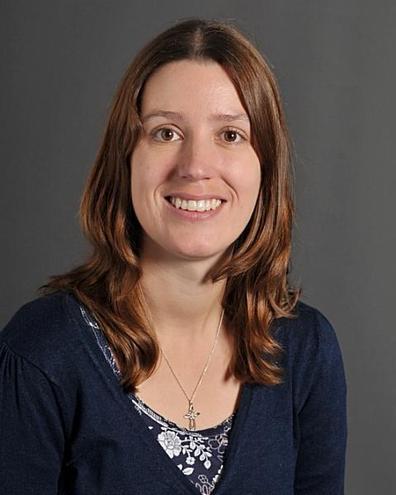
Elena Smith, Year 3 class teacher, is our Modern Foreign Languages Coordinator. Elena spent a number of years teaching in Madrid before taking up her teaching role at Sefton Park.