
Sefton Park Infant and Junior Schools
Safeguarding: Keeping Children Safe
Children have a right to be cared for and protected. Safeguarding is the word we use for all the ways we keep children safe: from how we teach children to look after themselves and each other, to how we respond if someone is worried about a child’s wellbeing. Keeping children safe is everyone’s responsibility, and we want every parent and carer to feel confident sharing any concerns with us.
Our Commitment
At Sefton Park, we have a duty of care to provide a safe and secure environment for children, staff, and visitors.
We aim to:
- safeguard and promote the welfare of children by protecting them from maltreatment
- prevent the impairment of children’s mental and physical health or development
- ensure that children grow up in circumstances consistent with the provision of safe and effective care
- take action to enable all children to have the best outcomes
All staff and volunteers share this commitment: everyone is trained in safeguarding and has read and acknowledged our safeguarding policy, which is reviewed annually by the governing body. We follow the statutory guidance Keeping Children Safe in Education and Working Together to Safeguard Children, the Bristol Child Protection Procedures, and local guidance from the Keeping Bristol Safe Partnership.
See our Policies page for our Safeguarding and Child Protection Policy and all related documents.
If You’re Worried About a Child
If you’re concerned about the wellbeing of any child, even if they don’t attend Sefton Park, please speak to a member of our Safeguarding Team. We’re here to help.
You can also contact “First Response”, Bristol City Council’s first point of contact for concerns about a child’s safety or wellbeing, and for families who need extra support. They’ll talk through what’s happening and help you find the right help, at the right time.
Contact:
- First Response: 0117 903 6444
- Out of hours – Emergency Duty Team: 01454 615 165
- If a child is in immediate danger, call 999
If you need urgent police assistance but can’t speak on the phone, see our Silent Solution Guide (PDF).
Our Safeguarding Team
Our Safeguarding Team is here to listen, support, and act on any concerns you bring to us. The team is led by our Designated Safeguarding Lead (DSL), supported by Deputy DSLs, and overseen by our safeguarding governor, and meets regularly to discuss procedures and concerns.
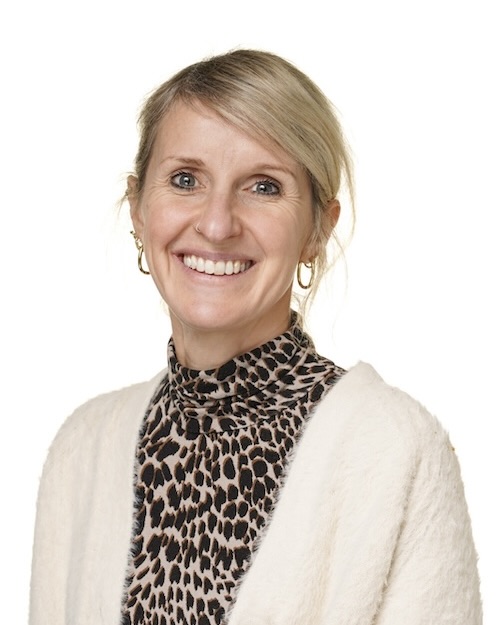
Emily Shuker
Designated Safeguarding Lead (DSL)

Alex Powell
Deputy DSL
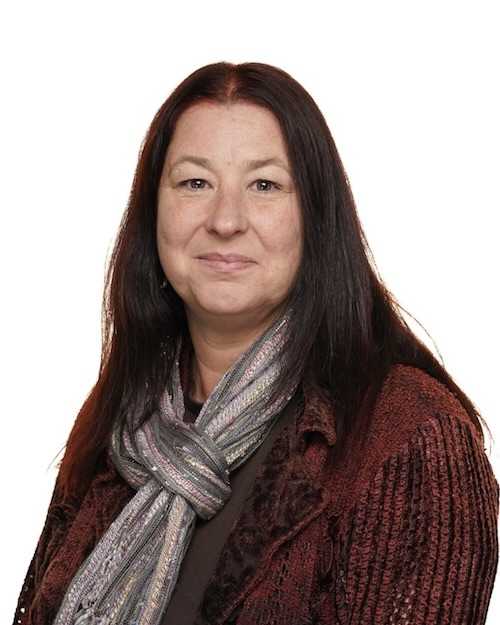
Rebecca Earnshaw
Deputy DSL
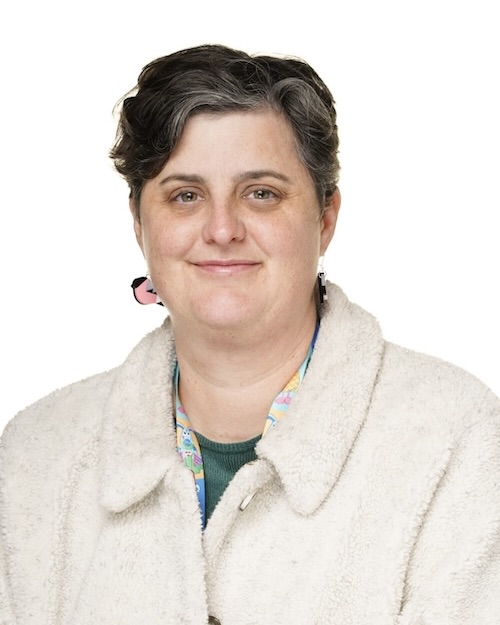
Louise Howlett
Deputy DSL
If you see us around school, please come and talk to us. You can also reach the team through the school office at seftonpark@bristol-schools.uk or on 0117 377 3290.
Children can share their worries at school, too – through our worry boxes or by talking to any trusted adult – and their worries will always be taken seriously.
If You’re Worried About an Adult’s Behaviour
If you have concerns about the conduct of any member of staff, or anyone working or volunteering with children at our school, please share these with the Headteacher or the Chair of Governors. You can also contact:
- LADO (Local Authority Designated Officer): 0117 903 7795
- NSPCC Whistleblowing Advice Line: 0800 028 0285 (8am–8pm, Monday to Friday) or help@nspcc.org.uk
How We Keep Children Safe
Teaching children to keep themselves safe: All children need the skills and language to keep themselves safe, in and out of school. Our PSHE curriculum is central to this. From Nursery onwards, children learn what to say and do if something doesn’t feel right: from encountering strangers to bullying and racism, from unwanted physical contact to staying safe online.
We use trusted resources from organisations including the NSPCC and the Safer Internet Centre – such as the NSPCC’s Speak Out Stay Safe programme and PANTS – the Underwear Rule – and always let parents know in advance when lessons may cover sensitive topics.
Recording and monitoring concerns: We use CPOMS, a secure online system, to record, monitor, and act on anything that affects a child’s experience at school. All staff are trained to use it, and the DSL and Deputy DSLs review entries to identify patterns and ensure appropriate action is taken.
Safer recruitment: We follow the safer recruitment practices set out in Keeping Children Safe in Education: everyone who works or volunteers with our children completes the appropriate checks – including Disclosure and Barring Service (DBS) checks, references, and verification of identity and qualifications – before joining us.
Working with other agencies: We work closely with a range of agencies – including Educational Welfare, Families in Focus (Early Help), Children’s Social Care, and the Police – to keep pupils safe. Staff have clear systems for raising concerns with our DSLs, including specific risks such as child sexual exploitation. Where concerns need to be shared with external agencies, we will always do this in consultation with parents unless doing so could put a child at risk.
Specific Safeguarding Areas
Prevent Duty
All schools must comply with the Prevent Duty (Counter-Terrorism and Security Act 2015) to prevent extremism and radicalisation. We build children’s resilience to radicalisation through open discussion and by promoting fundamental British values. Government resource: Educate Against Hate.
Online Safety
Children grow up online, and helping them do so safely is an important part of our safeguarding work. Online safety is taught throughout our curriculum, and we have clear policies for how technology is used in school. For practical guidance and resources for families, see our Online Safety page.
Anti-Bullying
Bullying is a safeguarding concern, and we take every report seriously. Our approach combines clear expectations about behaviour with regular classroom conversations about kindness, difference, and what to do if something doesn’t feel right. For more on how we prevent and respond to bullying, and what to do if you’re worried about your child, see our Anti-Bullying: Support for Families page.
Mental Health & Wellbeing
Children’s emotional wellbeing is part of our safeguarding work. For how we support it at school and where to find help, see our Mental Health & Wellbeing page.
Female Genital Mutilation (FGM)
Teachers have had a legal duty since October 2015 to report known cases of FGM in girls under 18 to the police. If you need advice about FGM or are worried about a child at risk:
- NSPCC FGM Helpline: 0800 028 3550 (24/7, free from a landline)
- Email: fgmhelp@nspcc.org.uk
- Text: 85888 (free and anonymous)
Information in multiple languages:
- FGM – The Facts (PDF) – English
- FGM Public Information Leaflet: Arabic version (PDF) | English version (PDF) | French version (PDF) | Somali version (PDF)